The full quote comes from an episode of a Freakonomics podcast title description:
Werner Herzog isn't afraid of bad reviews, meager funding, or artificial intelligence. But he is worried that the world is full of sloppy thinkers who mistake facts for truth.
As a scientist, and as a strict empiricist, I could not disagree more. Herzog is just plain wrong, in exactly the same way that Aristotle was wrong. About everything.
Herzog is out pimping his book, The Future of Truth, in which elevates opinion into truth. This is from the blurb:
I don’t think truth is some kind of polestar in the sky that we will one day get to. It’s more like an incessant striving. A movement, an uncertain journey, a seeking full of futile endeavor. But it is this journey into the unknown, into a vast twilit forest, that gives our lives meaning and purpose; it is what distinguishes us from the beasts in the fields.
He clearly isn't working with any definition of truth; he's working with feelings.
I've been reading The Rise and Fall of the Third Reich by William Shirer, and am learning how adroitly the Nazi Germans believed lies. Even lies they themselves made up. Herzog was born Werner Stipetić in Nazi Germany during the war. He changed his name to sound more royal, and was fool enough to think it was real. Herzog seems to have spent his entire life living by that same ego-driven delusional mindset that Hitler sold to Germany, convincing himself that feelings were facts, that fiction was real, that what he made up was truth. It seems remarkably chaotic to me, and has no chance of being a stable foundation for the discovery of either fact or truth.
And he's on the road selling that crap. There is only observable, repeatable fact, or there is opinion. Like Aristotle, Herzog seems to have hung everything on his opinion.
Small wonder I've never seen a Herzog film I liked. For example, in Lessons of Darkness he tries to copy Koyaanisquatsi, and fails miserably.
Book reviews show his writing isn't much better. From the Wikipedia page for his book about Truth:
Publishers Weekly called the book "a mixed bag" with "evocative prose" and "a familiar and somewhat fuzzy defense of poetic license". The Guardian's Farrah Jarral wrote about the book: "I can't quite decide if it is absurd, profound or an ecstatically truthful mix of the two". Felix Haas, writing for World Literature Today, called it "a loose collection of lies, fakery, and misinformation, sprinkled with memories of the author’s own projects, rather than a rigorous analysis that leads to a concise thesis or recommendation."
Ugh.
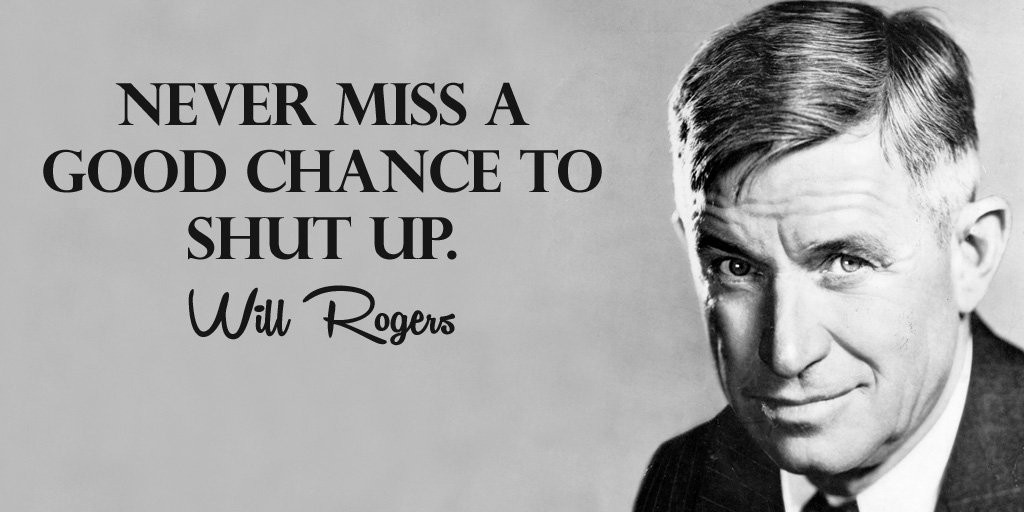
Why is he even saying things to obviously untrue in a book about truth? Is he senseless?
This has been present in society for a while now, "living my truth." No, "truth" is not what that is. It's selfishness. It's close-mindedness. It's a two-year-old who doesn't understand what's going on so they want mommy to put them back in at the center of the universe. It's narcissism. "What I think," says the narcissist, "is Truth."
I doubt any narcissist could recognize truth if it bit him on the face; he recognizes only his own infallable ego.
He is easily dismissed.
And now I'm going back to reading about another narcissist, one who in his fit of narcissism managed the deaths of 50 million people.